
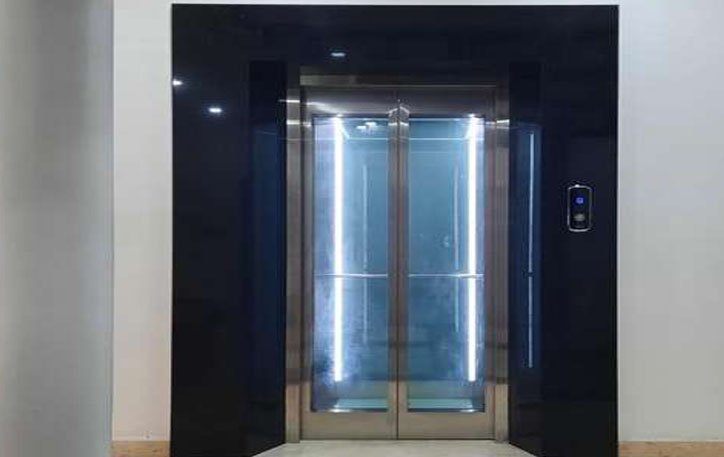
Home elevators are becoming increasingly popular as a practical and stylish solution for enhancing mobility within residential spaces. Designed to provide easy access between different levels of a home, these elevators are particularly beneficial for individuals with mobility challenges, families with young children, or anyone looking to simplify daily tasks such as moving groceries or laundry between floors. Unlike traditional commercial elevators, home elevators are typically smaller and can be customized to fit a variety of architectural styles and spaces, making them a versatile addition to modern homes.
One of the primary advantages of home elevators is their ability to improve accessibility. For homeowners with limited mobility or those aging in place, a residential elevator can significantly enhance independence and quality of life. They eliminate the need for stair lifts or navigating stairs, providing a safe and convenient means of transportation within the home. Many designs also incorporate safety features, such as automatic doors, emergency stop buttons, and backup power systems, ensuring peace of mind for users and their families.
One of the primary advantages of home elevators is their ability to improve accessibility. For homeowners with limited mobility or those aging in place, a residential elevator can significantly enhance independence and quality of life. They eliminate the need for stair lifts or navigating stairs, providing a safe and convenient means of transportation within the home. Many designs also incorporate safety features, such as automatic doors, emergency stop buttons, and backup power systems, ensuring peace of mind for users and their families.
In addition to functionality, home elevators offer aesthetic benefits. With a wide range of styles, finishes, and materials available, these elevators can complement a home’s interior design. From sleek glass designs that create a contemporary look to more traditional wooden models, homeowners can choose an elevator that seamlessly integrates into their living space. Furthermore, many home elevators can be designed with customizable features, such as lighting and control panels, allowing residents to personalize their experience.
Installation of home elevators typically requires careful planning and consideration of structural elements. While some models can be installed in existing homes, others may require modifications to accommodate the elevator shaft. It’s important for homeowners to work with experienced professionals to ensure compliance with local building codes and safety regulations. While the upfront cost of installing a home elevator can be significant, many homeowners view it as a long-term investment that adds value to their property and enhances overall livability.
Maintenance is also a key aspect of owning a home elevator. Regular servicing is necessary to ensure the system operates smoothly and safely. Homeowners should be aware of potential maintenance needs, such as checking mechanical components, ensuring safety features are functional, and addressing any wear and tear that may occur over time.
In summary, home elevators are a valuable addition to modern residences, providing enhanced accessibility, convenience, and aesthetic appeal. As more homeowners prioritize mobility and ease of living, the demand for residential elevators continues to grow. With their ability to integrate seamlessly into various home designs and offer safety and comfort, home elevators are positioned to play an important role in creating functional and inviting living environments for all residents. Whether for personal convenience or to accommodate family needs, investing in a home elevator can significantly improve the quality of life within a home.