
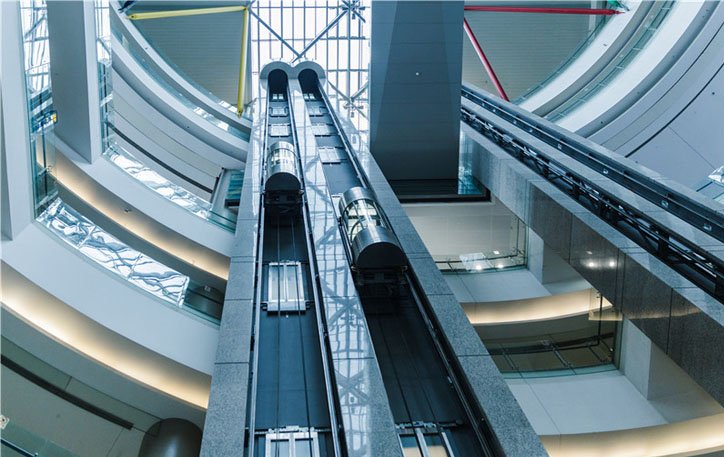
Observation elevators are specialized vertical transportation systems designed primarily for providing scenic views as they transport passengers between floors. Unlike conventional elevators that focus solely on functionality, observation elevators emphasize the experience of the ride itself, often featuring large glass panels or completely transparent designs that allow passengers to enjoy panoramic views of their surroundings. Commonly found in skyscrapers, observation towers, and tourist attractions, these elevators serve as both a means of travel and an attraction in their own right, enhancing the overall experience of visiting a location.
The design of observation elevators typically incorporates advanced engineering and aesthetic elements. The glass construction not only offers unobstructed views but also contributes to the modern and sleek appearance of the elevator. Many observation elevators are equipped with innovative features such as smooth acceleration and deceleration, which enhance passenger comfort while providing an immersive experience. These elevators often move at varying speeds to allow for an enjoyable viewing experience, making the journey as memorable as the destination itself.
One of the most significant advantages of observation elevators is their ability to showcase stunning vistas, drawing visitors and enhancing the appeal of buildings. They are often located in prominent places like hotels, museums, and entertainment venues, where views of the skyline, landscapes, or urban environments can be showcased. This unique feature can significantly increase foot traffic and attract tourists, making the elevator a vital part of the building’s overall attraction. For instance, many observation elevators in skyscrapers not only take visitors to observation decks but also serve as a way to experience the ascent and descent in a visually stunning manner.
However, observation elevators also come with specific considerations. The installation requires careful planning and engineering to ensure safety and structural integrity, given the large glass surfaces involved. Additionally, maintenance is crucial to keep the glass panels clean and free from scratches, as they need to maintain clarity for optimal viewing experiences. This ongoing maintenance can lead to increased operational costs compared to traditional elevators.
Furthermore, while observation elevators are often slower than standard elevators due to their focus on the viewing experience, this may not suit all applications. In commercial settings where quick transport is essential, the slower speed might be less desirable.
In summary, observation elevators blend functionality with an unparalleled viewing experience, making them a captivating addition to various buildings and attractions. Their unique design not only serves practical purposes but also enhances the aesthetic and experiential aspects of a location. As urban landscapes evolve and the demand for unique architectural features increases, observation elevators are likely to continue gaining popularity, offering both practical transportation and unforgettable views that elevate the visitor experience.