
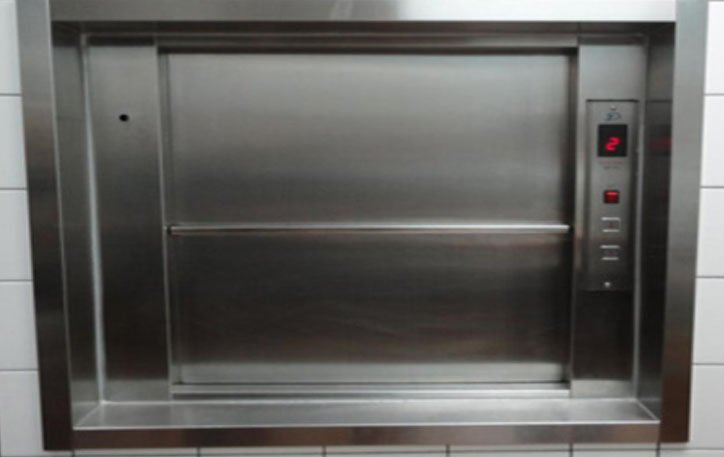
Traction elevators are a widely used type of vertical transportation system that operates using a system of cables, pulleys, and counterweights. Unlike hydraulic elevators, which rely on fluid pressure to lift the car, traction elevators use the principle of friction to move the car up and down the shaft. In this system, a motor located at the top of the shaft drives a sheave, which is a large wheel around which steel cables are looped. One end of the cable is attached to the elevator car, while the other is connected to a counterweight that balances the weight of the car. This counterweight system significantly reduces the energy required to move the elevator, making traction elevators both efficient and reliable.
One of the key advantages of traction elevators is their ability to service high-rise buildings. They are capable of reaching significant heights—often up to 30 stories or more—making them ideal for commercial and residential skyscrapers. Their design allows for higher speeds, typically ranging from 200 to 500 feet per minute, depending on the specific application. This speed makes them suitable for busy environments where quick transportation between floors is essential, such as in office buildings, hotels, and shopping centers.
In addition to their performance capabilities, traction elevators offer a smooth and comfortable ride. The technology minimizes vibration and noise, enhancing passenger comfort during travel. Modern traction elevators often incorporate advanced control systems, allowing for precise leveling at each floor, reducing the chances of misalignment and ensuring safe entry and exit for passengers. The flexibility in design also enables customization, allowing architects and designers to create aesthetically pleasing elevator interiors that complement the building’s overall decor.
Maintenance is crucial for ensuring the longevity and safety of traction elevators. Regular inspections and servicing are necessary to keep the system operating efficiently and to address wear and tear on components such as cables and pulleys. A well-maintained traction elevator can provide reliable service for many years, contributing to lower overall operational costs.
However, traction elevators do have some limitations. The initial installation cost can be higher than that of hydraulic elevators, and they require more vertical space for the overhead machine room and the shaft. Additionally, the installation process can be more complex, necessitating careful engineering to ensure safety and compliance with building codes.
In summary, traction elevators represent a highly efficient and versatile solution for vertical transportation in a wide range of applications. Their ability to handle high-rise demands, combined with their smooth operation and customizable designs, makes them a popular choice for both commercial and residential buildings. As urban landscapes continue to evolve and the need for effective transportation solutions increases, traction elevators will remain a vital component of modern architecture, providing reliable service and enhancing the overall experience of building occupants.